






















If you’ve been thinking about straightening your teeth without drawing attention to treatment, ceramic braces sit in a sweet spot: reliable, precise, and far less noticeable than metal. At Zara Dental, a trusted dental clinic in Houston, we meet patients every week who want a smile upgrade that won’t steal the spotlight at work, on camera, or in daily conversations. Ceramic braces do exactly that—using tooth-colored or clear brackets to blend with enamel while delivering steady, predictable tooth movement.
Below, you’ll find a clear, human-friendly guide to what they are, how they compare with other options, what they typically cost, and why many adults and teens pick ceramic braces for a confident, low-profile journey to straighter teeth.
What Are Ceramic Braces?
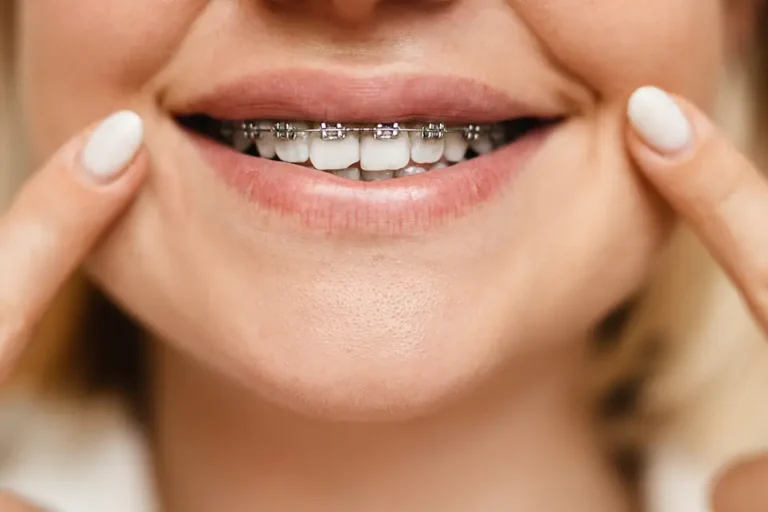
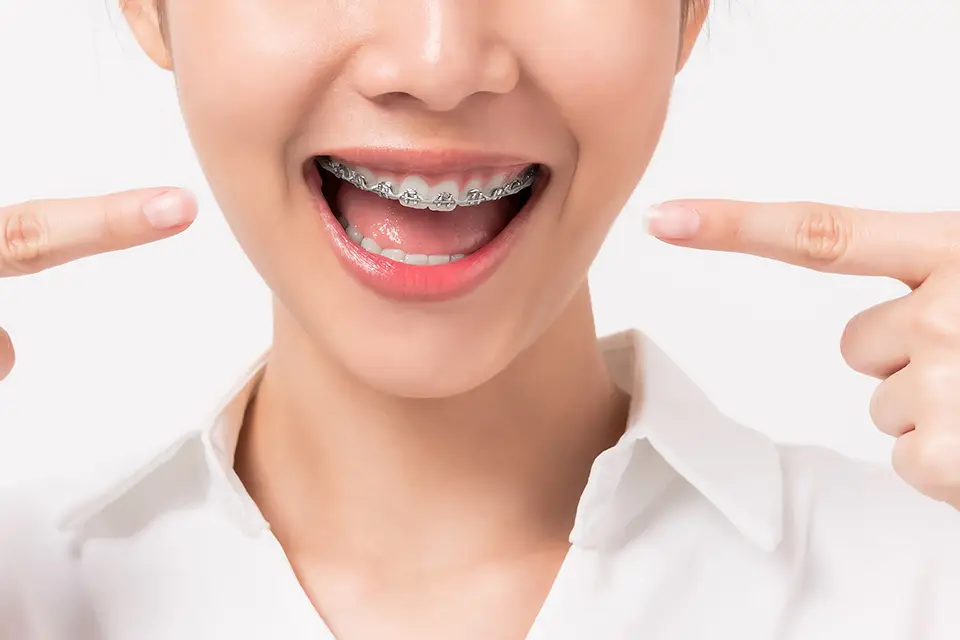
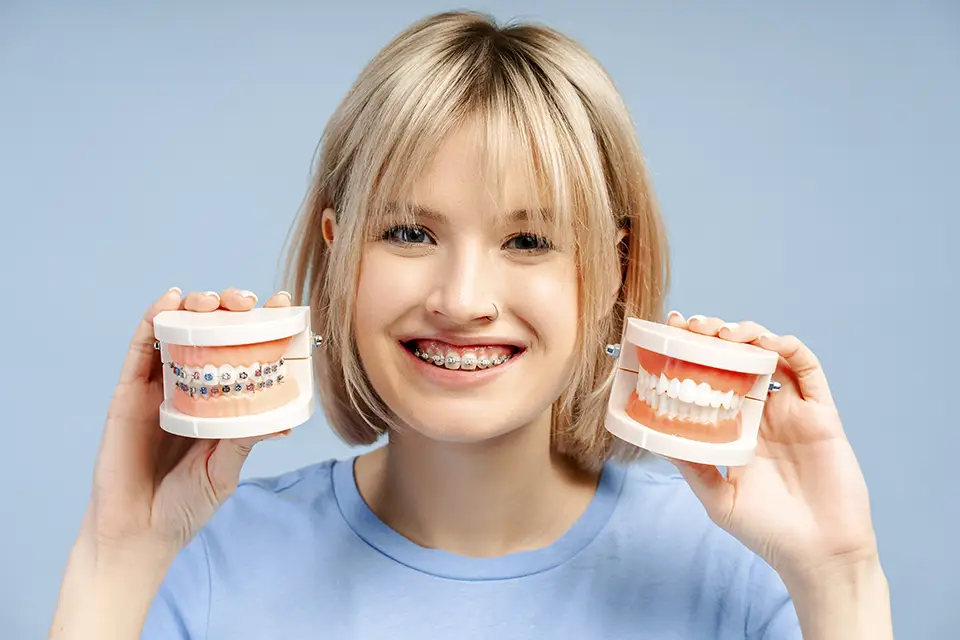
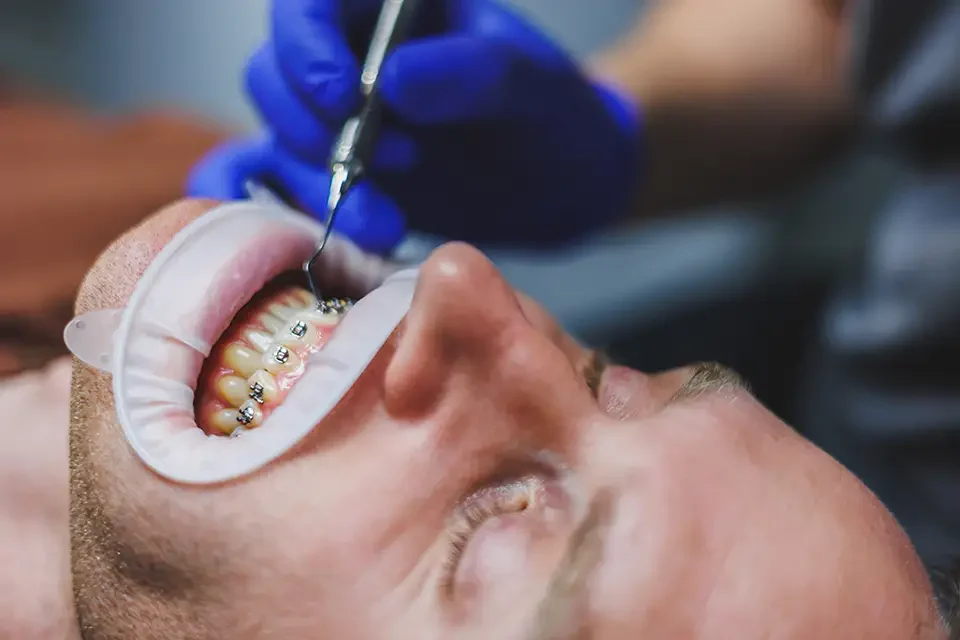
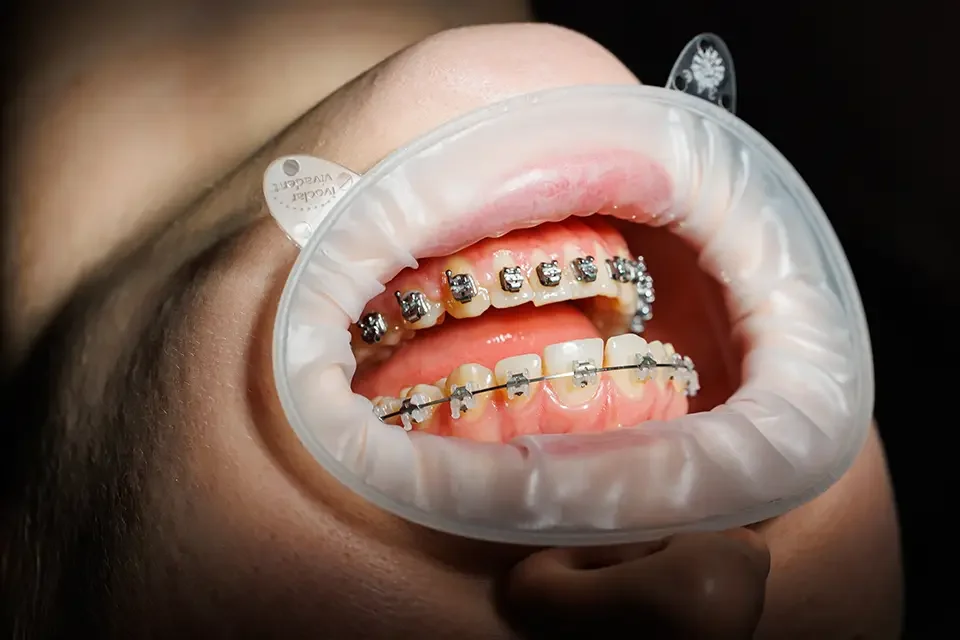
Ceramic braces use the same time-tested mechanics as traditional braces—gentle, continuous forces that guide teeth into better positions—while swapping silver brackets for clear or tooth-colored ones. Each bracket is bonded to a tooth, connected by a slim archwire, and secured with small elastics (or self-ligating clips). The result: movement you can count on, with a look that quietly blends into your smile.
In modern orthodontics in Houston, the materials have come a long way:
- Brackets are crafted from durable ceramics designed to mimic enamel’s shade and translucency.
- Archwires can be standard metallic or coated in a tooth-colored finish for even less visibility.
- Ligatures/clips hold the wire in place; elastics may discolor over time, but they’re routinely replaced at visits to keep things looking fresh.
Because the biomechanics mirror metal braces, ceramic braces can handle straightforward crowding and spacing as well as more complex tasks—rotations, deep bites, crossbites, and coordinating upper/lower arches—while keeping the overall look discreet.
Ceramic Braces Pros & Cons
Every treatment has trade-offs. Here’s the balanced version patients ask for, including where ceramic braces shine and where another path might make more sense.
Pros
- Low-profile aesthetics: Clear or tooth-colored brackets help the appliance “disappear” in photos and day-to-day life.
- Robust tooth control: Fixed brackets give your clinician precise 3D control; complex cases that challenge aligners often track smoothly with ceramic braces.
- No wear-time guesswork: The appliance works 24/7—no counting hours or worrying about losing trays.
- Predictable timelines: Adjustments are clinician-directed, so progress and pace are easier to forecast.
Cons
- Cost: Ceramic braces typically cost more than standard metal due to materials and lab/clinical time. (See costs below.)
- Stain management: The brackets resist stains well, but elastic ligatures can pick up color from coffee, tea, turmeric, or red wine. Regular changes keep things clean.
- Slightly more friction: Early on, some people notice minor cheek or lip irritation; orthodontic wax usually solves it while you adjust.
How they compare with aligners
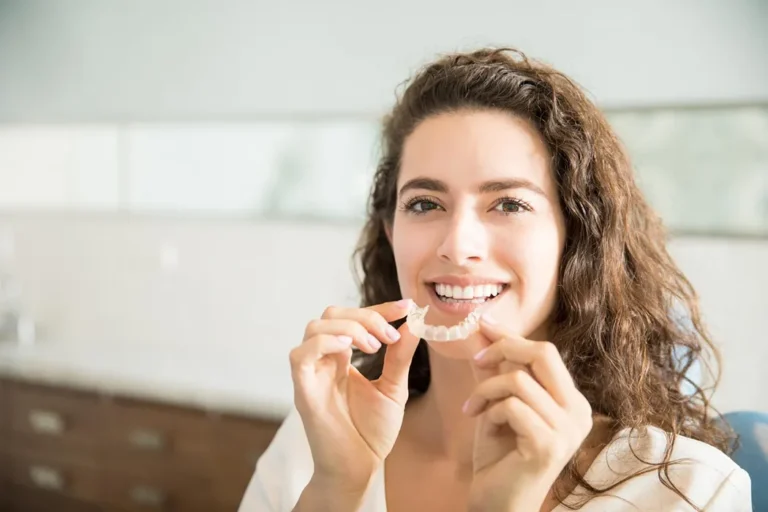
If you’re weighing Invisalign in Houston, clear aligners are extremely discreet and removable for meals. They rely on consistent wear (20–22 hours/day); complex movements may require extra refinements or attachments. Ceramic braces keep a similar low-key look but with the firmness of a fixed system—great if compliance is a concern or your case needs more hands-on control.
Ceramic Braces Cost
Let’s talk numbers in a way that actually helps. Fees for ceramic braces depend on complexity, treatment length, and clinician expertise. At Zara Dental, we map your case with photos, scans, and X-rays, then present a written, itemized estimate so you know where each dollar goes.
Typical estimated ranges (can vary by factors):
- Ceramic braces: ~$4,000–$7,000 for comprehensive treatment
- Metal braces: ~$3,500–$6,000 for similar case types
- Clear aligners: ~$4,000–$8,000, depending on refinements and case demands
Why ranges? Because pricing genuinely varies by factors like crowding/spacing severity, bite corrections (overbite/underbite/crossbite), expected months in treatment, whether you choose coated wires for added camouflage, and any pre-orthodontic care (cleanings, fillings, gum therapy). Insurance may offset part of the fee if your plan includes orthodontic benefits, and we offer transparent financing to spread costs comfortably.
Ceramic Braces in Houston
Houston is a busy, camera-on city—Zoom calls, presentations, weddings, graduations—and ceramic braces fit right in. At Zara Dental, we tailor treatment so the process feels smooth from day one:
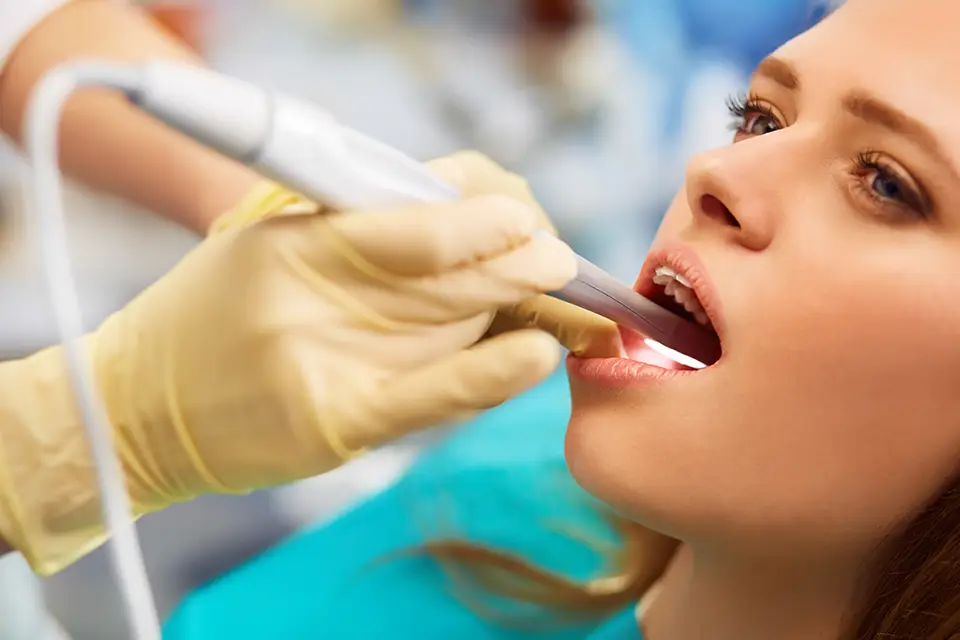
- Diagnostic clarity: Digital scans, photos, and X-rays show where you are and where we’re going; you’ll see the “why” behind each step.
- Custom bracket placement: Small placement differences add up to smoother wire progress and fewer detours.
- Comfort-minded visits: Tight enough to move teeth efficiently; gentle enough that your week stays normal.
- Hygiene coaching: Interdental brushes, threaders, and a simple routine to keep ligatures bright and ceramic braces nearly invisible.
Houston patients also appreciate the “set it and forget it” factor—no worrying about losing aligners between meetings or meals. You show up, we adjust, you keep living your life while your smile improves in the background.
Conclusion
If you want a straighter smile without the full-metal look—or the constant wear-time math—ceramic braces offer a confident middle path: quiet on the outside, powerful under the hood. They blend with enamel, handle complex movements, and keep timelines predictable. Costs vary by factors (case complexity, length, materials), but many patients find the balance of aesthetics, control, and value exactly right.
Curious whether ceramic braces are your best fit? Book a consultation with Zara Dental in Houston, Texas. We’ll compare ceramic braces with metal and aligners, share a clear treatment plan and estimated fee, and build a calendar that respects your schedule. A more aligned, camera-ready smile can start with one straightforward visit—and a plan that feels made for you.