















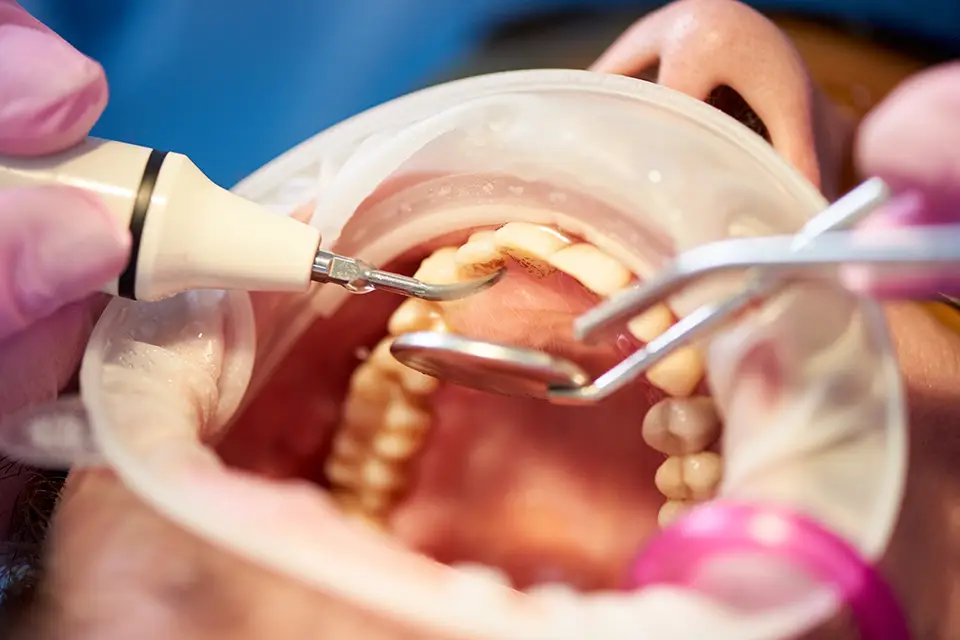
That dull, persistent ache in the very back of your mouth. A new sensitivity to sweet or cold drinks. For many people, these are the first warning signs of a common but uniquely frustrating problem: a wisdom tooth cavity. Because of their location and the way, they often grow in, wisdom teeth are notoriously difficult to care for, making them a prime target for decay. If you’re experiencing these symptoms, you’re not alone, and you don’t have to live with the discomfort.
At Zara Dental in Houston, we see patients dealing with this issue all the time. Understanding why a wisdom tooth cavity develops, what your treatment options are, and why professional care is so important is the first step toward finding relief. This guide will walk you through everything you need to know.
Why Is a Wisdom Tooth Cavity So Common?
You might be diligent with your brushing and flossing, so why is this one specific tooth causing so much trouble? The simple truth is that wisdom teeth (or third molars) are set up for failure from the very beginning. The main reason a wisdom tooth cavity is so prevalent comes down to a few key factors:
- Location, Location, Location: They are located in the very back of your mouth, making them incredibly difficult to reach effectively with a toothbrush and floss.
- Partial Impaction: Wisdom teeth often don’t erupt fully or come in at an angle. This can create small flaps of gum tissue or awkward spaces where food particles and bacteria become trapped, leading directly to decay.
- Cleaning Challenges: Even if your wisdom teeth have erupted perfectly straight, their position makes proper cleaning a daily challenge, increasing the risk of a wisdom tooth cavity over time.
The Signs and Symptoms of a Wisdom Tooth Cavity
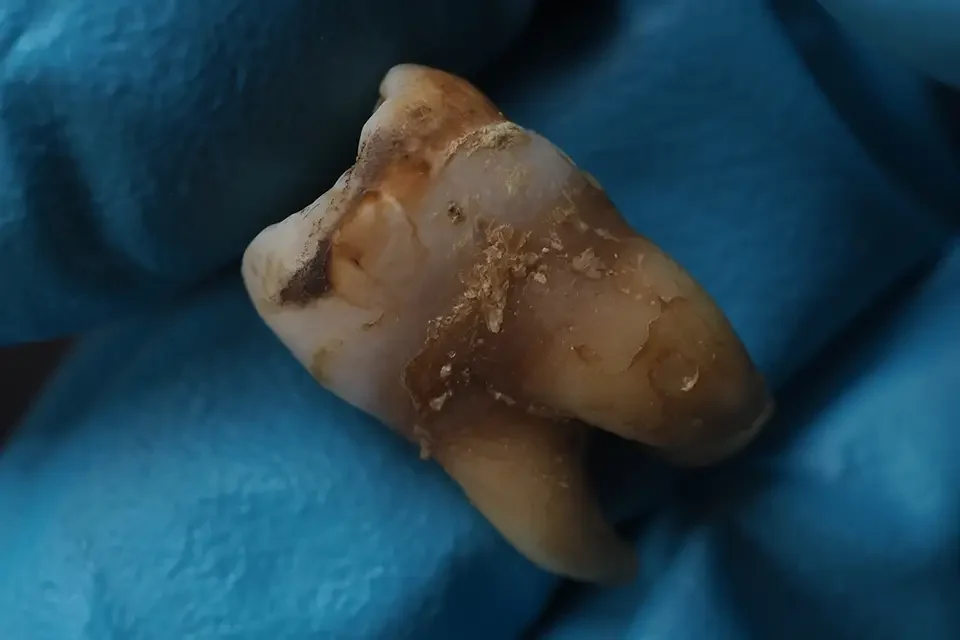
Sometimes, a cavity can develop without any noticeable symptoms until it becomes advanced. However, there are several warning signs that could indicate you have a wisdom tooth cavity. It’s important to pay attention to your body and schedule a visit if you experience any of the following:
- Pain or a Dull Ache: This can range from a persistent, low-grade ache to sharp, shooting pains, especially when biting down.
- Sensitivity: A new sensitivity to hot, cold, or sugary foods and drinks is a classic sign of decay.
- Bad Breath or a Bad Taste: A persistent bad taste or odor coming from the back of your mouth can be a sign of a hidden infection or decay.
- Visible Signs: You might be able to see a small hole, pit, or a dark brown or black stain on the tooth.
Ignoring the symptoms of a wisdom tooth cavity can lead to more serious problems, including severe pain, infection, or damage to the adjacent teeth.
Your Treatment Options for a Wisdom Tooth Cavity
When you come to Zara Dental with a confirmed wisdom tooth cavity, we will discuss the best treatment options for your specific situation. Unlike a cavity on another tooth, the solution isn’t always a simple filling. The two main paths are:
- A Dental Filling: In some rare cases, if the wisdom tooth cavity is small and the tooth is fully erupted, straight, and accessible, we might be able to treat it with a standard dental filling. However, this is often not the recommended long-term solution because the same cleaning difficulties that caused the cavity in the first place will remain.
- Wisdom Tooth Extraction: This is, by far, the most common and recommended treatment for a wisdom tooth cavity. Removing the tooth entirely not only solves the immediate problem of the decay but also prevents a host of future issues.
Why Extraction is Often the Best Choice for a Wisdom Tooth Cavity
It might seem drastic to remove a tooth for a cavity, but for wisdom teeth, it’s a strategic, long-term health decision. The primary reason extraction is preferred for a wisdom tooth cavity is prevention. By removing the tooth, we eliminate the risk of:
- Recurring Decay: The tooth will no longer be a hard-to-clean trap for plaque and bacteria.
- Infection and Pain: An untreated wisdom tooth cavity can lead to a painful abscess or infection that can spread.
- Damage to Neighboring Teeth: An impacted or decaying wisdom tooth can damage the healthy second molar right next to it.
- Crowding and Shifting: Removing problematic wisdom teeth can prevent future orthodontic issues caused by pressure on your other teeth.
Ultimately, because wisdom teeth are not necessary for proper chewing function, removing a compromised one is the most effective way to protect your overall oral health.

Conclusion: Don't Ignore That Pain
A wisdom tooth cavity is more than just a minor inconvenience; it’s a sign that your oral health is at risk. Ignoring the pain or hoping it will go away can lead to much more complex and painful problems down the road. The best thing you can do is seek a professional diagnosis to understand the cause of your discomfort and create a clear plan for treatment.
At Zara Dental, our experienced team is here to help our Houston community find relief. We will provide a thorough examination, a clear diagnosis, and a compassionate treatment plan tailored to your needs.
Ready to Address Your Wisdom Tooth Pain?
Don’t wait for the problem to get worse. If you suspect you have a wisdom tooth cavity, contact Zara Dental in Houston today to schedule your consultation. Let us help you get out of pain and protect your long-term oral health.
Frequently Asked Questions (FAQs)
1. Can I just leave a wisdom tooth cavity alone if it doesn't hurt?
We strongly advise against this. A cavity that doesn’t hurt yet will almost certainly worsen over time, potentially leading to a severe infection or abscess. Early treatment is always simpler and safer.
2. Is getting a wisdom tooth extracted painful?
The procedure itself is not painful, as we use effective local anesthesia to ensure you are completely numb and comfortable. We will also provide you with comprehensive aftercare instructions to manage any post-operative discomfort.
3. How do I know if my pain is from a cavity or just the tooth coming in?
It can be very difficult to tell the difference on your own. Both can cause a dull ache and gum tenderness. A professional dental exam and X-ray are the only way to get a definitive diagnosis.
4. If I get my wisdom tooth extracted, will I need a dental implant to replace it?
No. Because wisdom teeth are located at the very back of the mouth and are not needed for proper chewing function, there is no need to replace them with an implant or bridge after extraction.