























Figuring out the braces best time for kids is less about a birthday and more about what’s happening in your child’s mouth right now. Tooth eruption, jaw growth, and how the top and bottom teeth fit together can all change the plan. Starting at the right stage can shorten treatment, prevent avoidable problems, and make daily life with braces easier.
At our dental clinic in Houston, we look for early red flags such as crowding, crossbite, and teeth that bite unevenly, then explain clear next steps. If you are weighing timing, a simple evaluation can tell you whether it’s time to act, time to watch, or time to plan ahead for the braces best time for kids.
When Kids Should Get Braces?
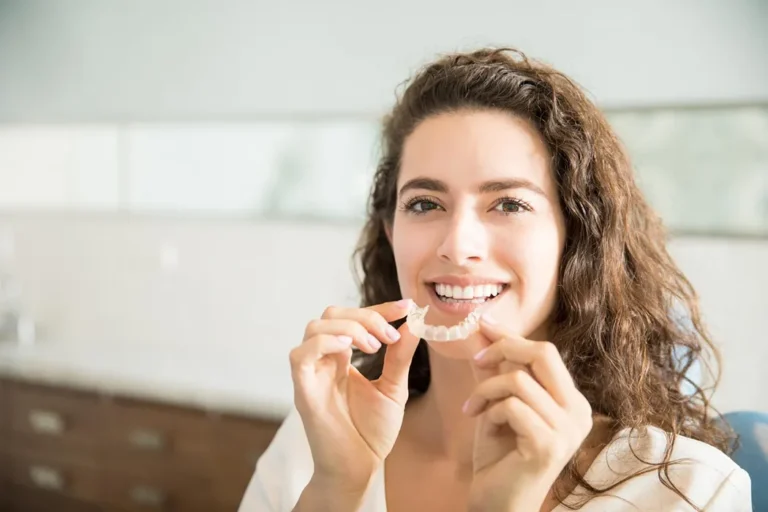
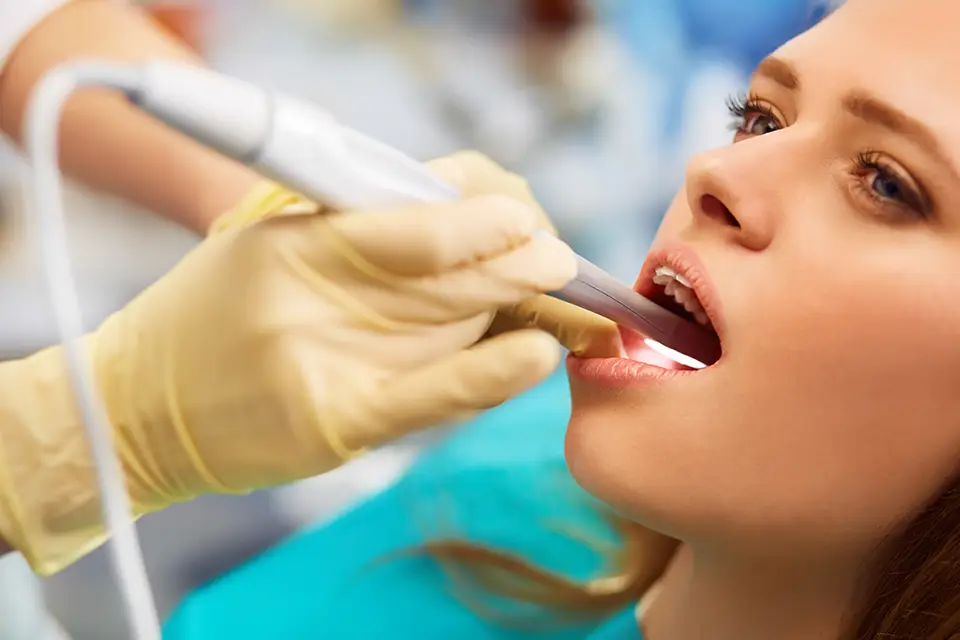
Most kids do not need braces at a single “perfect” age, but they do benefit from an early orthodontic check at the right stage. Many orthodontists suggest a first evaluation around age seven because it helps spot bite issues while the jaw is still developing. Your dentist will look at how adult teeth are coming in, whether there is enough space, and how the upper and lower teeth line up. For some teens with mild to moderate alignment concerns, Invisalign in Houston may be an option, but it depends on the bite and how consistently trays can be worn.
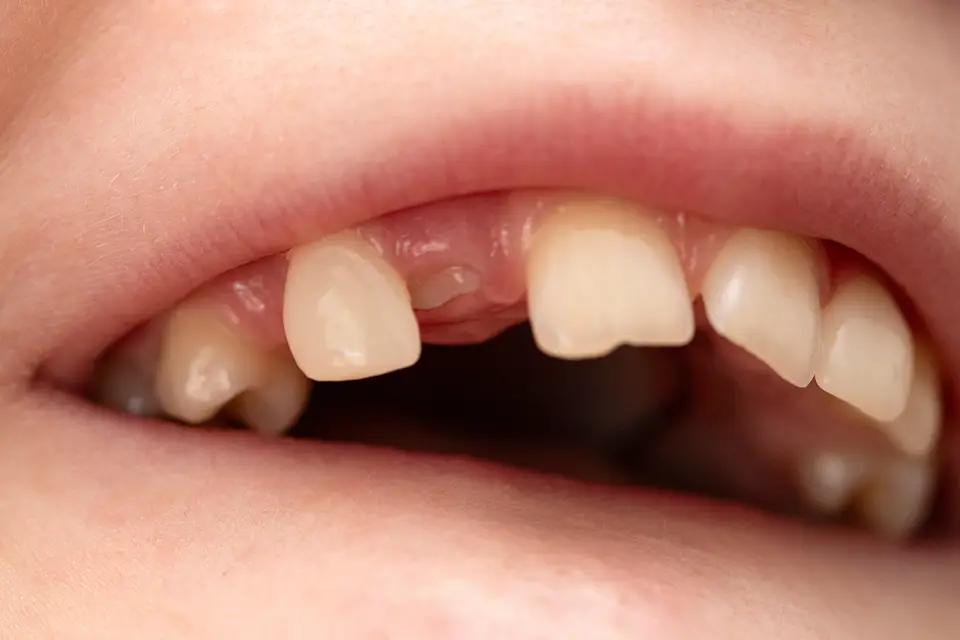
A child may need braces earlier if there is severe crowding, a crossbite, teeth that do not meet evenly, or a visible jaw shift when biting. If those signs show up, the next step is a clear plan: watch and recheck, guide growth early, or time braces for when treatment will be most efficient.

Braces Best Time for Kids: Ages 9–14
For many families, ages 9 to 14 are the most efficient window for treatment because most permanent teeth are in and the jaw is still changing in a way that supports correction. In this stage, the braces best time for kids often aligns with managing crowding, guiding eruption, and improving how the bite fits, not just straightening visible front teeth. That combination can make results more stable and reduce the chance of needing bigger corrections later.
This is also the age range where orthodontists can address bite problems such as overbite, underbite, crossbite, or an open bite while growth is still on your side. If your child has teeth that feel “off” when biting, a canine tooth that is not coming in normally, or spacing that is closing unevenly, the braces best time for kids may be right here. The goal is a healthier bite, easier cleaning, and a smile that functions well long-term.
Braces Timing by Age
A practical way to think about the braces best time for kids is to line it up with what’s actually changing in your child’s mouth. Teeth don’t come in on a perfect schedule, and bites can shift as the jaw grows. That’s why an orthodontic visit focuses on spacing, bite contact, and whether any pattern is developing that could become harder to fix later.
Ages 6 to 7: Early Screening
This is the “check the foundation” stage. Your dentist looks for bite changes like crossbite, a jaw that slides to one side when closing, or crowding that may trap an adult tooth.
Ages 8 to 10: Early Treatment If Needed
If there’s severe crowding or a narrow upper arch, limited early treatment can create room and guide eruption. Many kids still only need follow-ups.
Ages 11 to 14: Full Treatment Window
For many children, this is when comprehensive braces make the most sense because most adult teeth are present, and growth can help with bite correction. If you want local guidance, kids braces in Houston can help you understand whether it’s time to start or smarter to monitor.
Ages 15 to 18: Still a Great Time
Braces and aligners can work very well. Planning depends on how complex the bite is and how consistent daily care will be.
Age 18 and Up: Still Works
Orthodontic treatment remains an option, with a plan built for long-term stability and healthy bite function.
Signs Your Child May Need Braces
Some signs are easy to miss until they start affecting chewing, speech, or daily comfort. If you are trying to pinpoint the braces best time for kids, these red flags can help you decide when an orthodontic evaluation is worth scheduling.
- Crowded teeth or adult teeth that seem “stuck” and not coming in normally.
- Bite problems such as an overbite, underbite, crossbite, or teeth that do not meet evenly.
- Jaw shifting to one side when biting, or frequent cheek biting.
- Mouth breathing, or thumb and finger sucking, continues past early childhood.
- Front teeth that protrude and are easier to chip in sports or everyday falls.
What to Expect: Timeline and Care
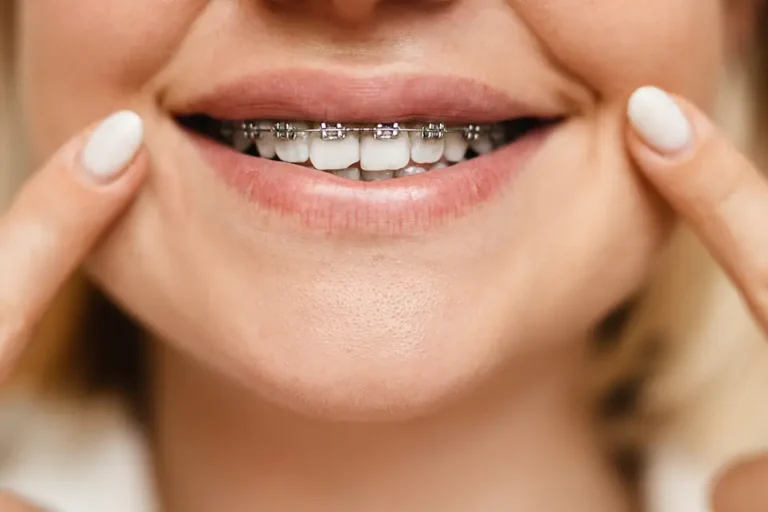
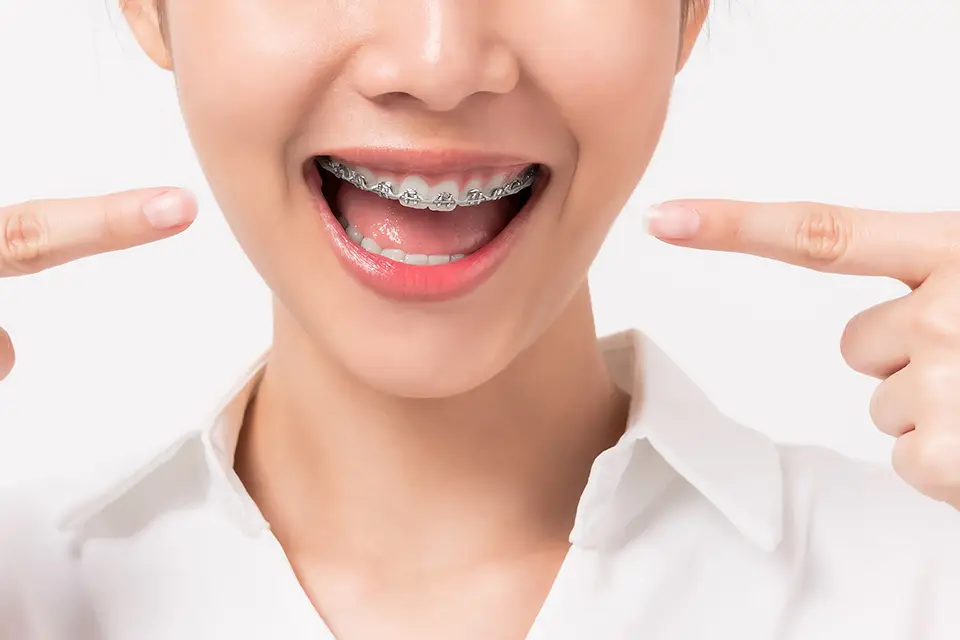
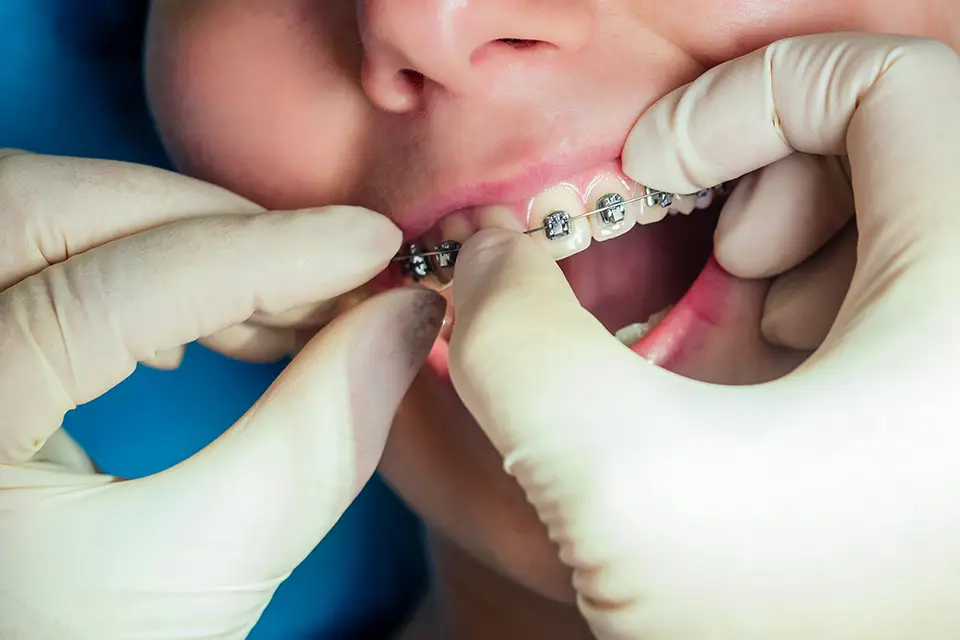
At the first orthodontic visit, you will leave with a timeline that fits your child’s bite and the way their teeth are coming in. Most kids are seen every few weeks for adjustments, and it is normal to feel mild pressure or soreness for a day or two afterward. The braces best time for kids still depends on steady, predictable movement, so missed visits and broken brackets can add time.
At home, focus on daily cleaning and protecting the hardware. Brush carefully around brackets, clean between teeth, and use wax if something rubs. Skip sticky or hard foods that can pop a bracket off. If a wire starts poking or something feels loose, call right away so a quick fix prevents unplanned delays.
Cost of Kids' Braces in Houston
In Houston, most families see kids’ braces land somewhere around $3,000 to $10,000, but that number can move a lot. The final fee depends on bite complexity, treatment length, and whether braces or aligners are the better fit. A quick exam is the only way to give an accurate estimate for your child.
To keep costs predictable, ask about insurance coverage, payment plans, and what is included in follow-up visits. Planning the braces best time for kids is easier when the timeline and the total budget are clear up front.
Conclusion: Find the Right Time for Your Child
The braces best time for kids is when tooth eruption and jaw growth make correction easier, and when the bite can be guided into a healthier fit. Some children truly benefit from starting sooner, while others do better with a short watch-and-wait plan. A focused orthodontic evaluation is what turns guesswork into a clear next step.
If you are in Houston, Zara Dental can walk you through the findings, answer your questions, and map out a realistic timeline. The goal is not just straighter teeth, but a bite that functions well and a smile that holds up long after treatment.
FAQs
Is age seven too early for braces?
Not usually. Age 7 is mainly for an orthodontic evaluation to spot bite risks early, and many kids simply get monitored until the timing is right.
Can my child play sports with braces?
Yes. Use a mouthguard made for braces, and ask your orthodontist about options that fit comfortably and protect lips and brackets.
Do clear aligners work for teens?
Sometimes. Teens with mild to moderate concerns may qualify, but consistent wear is essential. For many families, the braces best time for kids is still when bite correction is most efficient, not when aligners seem easiest.