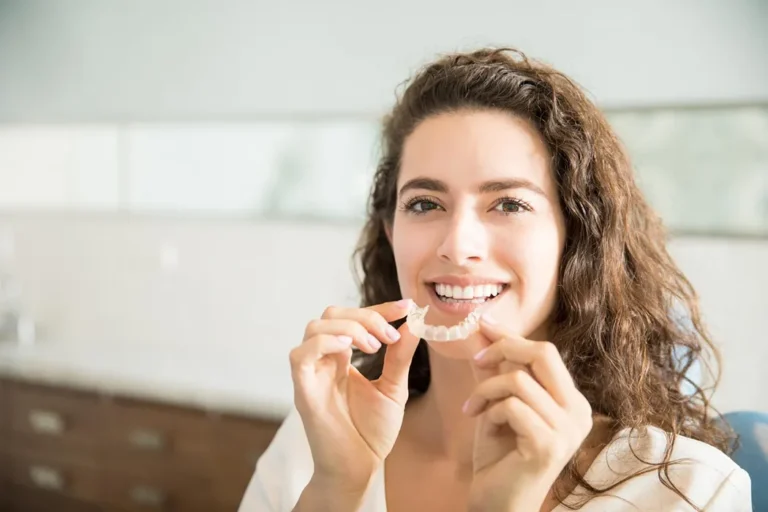

























If you’re deciding between metal vs. lingual braces, begin with your real day-to-day priorities, not just the mirror. Do you speak for a living, meet clients face to face, or want your braces to stay out of photos? That single detail often guides the choice between metal vs. lingual braces more than any feature list, because it shapes what you will notice every hour.
Next, be honest about what you can manage at home. Lingual braces sit behind the teeth, so cleaning takes more patience, and the tongue may feel crowded at first. Metal braces are easier to see and brush around, but the cheeks can get irritated early on. A quick exam is the safest way to match comfort and lifestyle with the right mechanics, so book a visit to a dental clinic in Houston and get a plan built for your bite and timeline, not a generic chart.
What Are Metal Braces and Who Do They Work Best for?
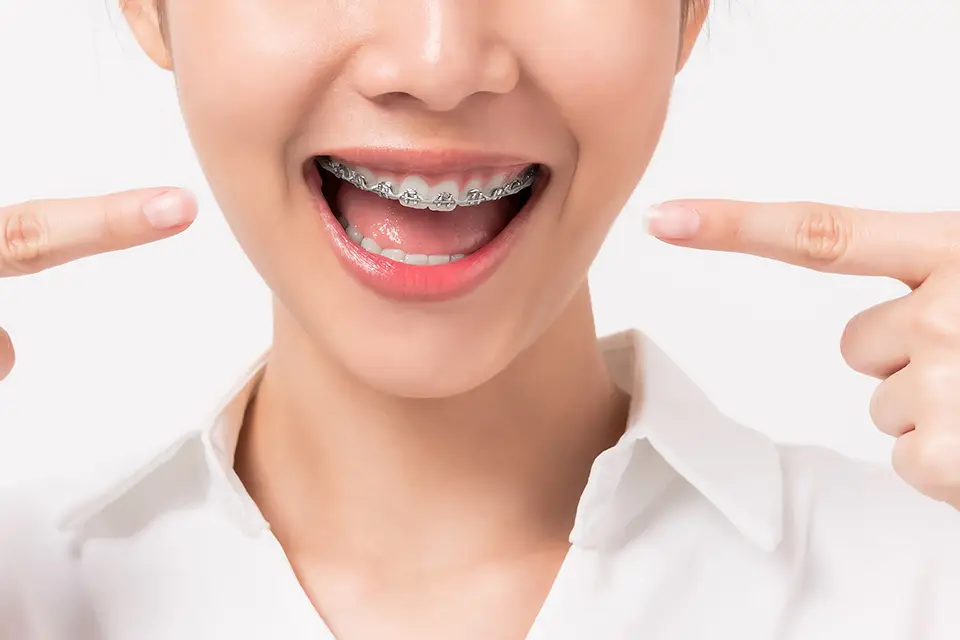
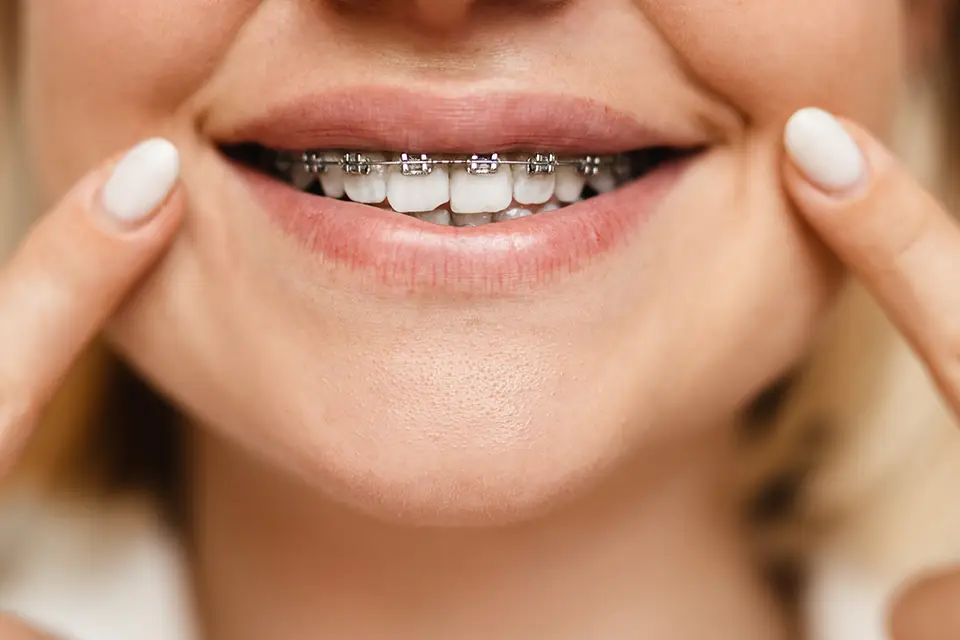
Metal braces are the familiar “brackets and wire” system your orthodontist fine-tunes at each visit to move teeth in small, controlled steps. In the metal vs. lingual braces choice, they often make the most sense when you need strong, predictable mechanics, such as rotating crowded teeth, closing gaps, or correcting a bite that takes more detailed control.
They are a solid fit for teens and adults who want a durable option and prefer a plan that is easy to monitor and adjust. The tradeoff is visibility, but many patients value the efficiency. If you are also considering a less noticeable option, ask about ceramic braces in Houston during your visit.
What Are Lingual Braces and What Should You Expect at First?
Lingual braces are built for patients who want orthodontic correction without the “braces look.” The brackets are placed on the inside surfaces of the teeth, so when you compare metal vs. lingual braces, lingual braces usually win in terms of privacy in photos and conversations. The tradeoff is that your tongue notices them first.
In the first week or two, it is normal to have tongue sensitivity and a brief learning curve with pronunciation, especially with “s” sounds. Most patients adapt as the tongue toughens and speech muscles adjust. Cleaning also takes more intention, so plan on using targeted hygiene tools like small interdental brushes or a water flosser. If you are also weighing metal braces, a clinical exam helps confirm which option matches your bite and goals.

Metal vs. Lingual Braces: Key Differences Patients Notice Day to Day
When patients compare metal vs. lingual braces, the most important differences are not technical details. They are the small day-to-day moments that affect confidence, comfort, and routine. Use the guide below to spot which option fits your lifestyle, because choosing between metal or lingual braces often feels very different outside the dental chair.
Visibility in photos and conversations
Metal brackets are visible when you talk and smile, while lingual braces stay hidden behind the teeth. If you are in client-facing work or take frequent photos, that discreet look can matter more than you expect.
Comfort and speaking early on
Metal braces can rub the cheeks and lips at first, while lingual braces may irritate the tongue and briefly affect pronunciation. In the metal vs. lingual braces decision, ask how long adaptation typically takes for your bite and tooth shape, because comfort is case-dependent.
Eating habits and daily convenience
Sticky foods are an issue for both, but lingual braces can feel harder to navigate when chewing until you adjust. Metal braces are easier to “see and avoid” when food gets trapped, which can reduce frustration in the first weeks.
Cleaning and follow-up needs
Both require careful brushing and flossing, but lingual braces demand more precision because they sit behind the teeth. If you want to compare other types of braces, your orthodontic exam can match the right system to your goals and hygiene habits.
Metal vs. Lingual Braces: Which Is Best for You in Houston?
Choosing between metal vs. lingual braces in Houston is easiest when you match the appliance to your daily life, not just the before and after photos. The right plan depends on your bite, the type of tooth movement you need, and how you want treatment to fit into work and routines. Use these patient-focused cues to narrow the metal vs. lingual braces decision before your exam.
- Choose metal braces if you want maximum control for rotations, crowding, or bite correction, and you prefer a system that is easy to monitor at each visit.
- Choose lingual braces if you want low visibility in meetings and photos, and you can commit to more detailed cleaning behind the teeth.
- If speech is critical for your job, ask how lingual placement may affect pronunciation early on, and what adjustment strategies are recommended.
- If you are cost-sensitive, ask for a personalized estimate, because complexity and treatment length change pricing for both options.

Conclusion: Next Steps After Comparing Metal vs. Lingual Braces
After weighing metal vs. lingual braces, the smartest next step is a focused orthodontic exam that confirms what your bite actually needs. Photos and online comparisons cannot measure spacing, bite forces, gum health, or enamel limits, which directly affect treatment timing and comfort. A consultation turns the metal vs. lingual braces question into a plan built around your goals, lifestyle, and long-term stability.
Before you commit, ask for a clear timeline, a hygiene routine, and a written estimate that explains what can change the fee. That is how you protect treatment results and avoid surprise costs later.
FAQs
Are lingual braces as effective as metal braces?
Yes, for many cases, lingual braces can correct crowding, spacing, and bite concerns with results comparable to traditional systems. The right choice depends on your tooth anatomy, bite pattern, and how much precision your case requires, so an orthodontic exam is essential for case suitability and predictable outcomes.
Do lingual braces hurt more or affect speech?
Early on, lingual braces may cause more tongue irritation and a short speech adjustment, especially with “s” sounds. Most patients adapt within a few weeks, and comfort improves with polishing, wax, and consistent follow-ups, making speech adaptation and daily comfort much easier.
How much do metal vs. lingual braces cost in Houston?
Costs vary by complexity, treatment length, customization, and insurance, but lingual braces are often higher and can fall in the several-thousand-dollar range. For a reliable estimate, request a written breakdown that explains price drivers and what can change during treatment.
Which is easier to clean, metal or lingual braces?
Metal braces are usually simpler to see and brush around, while lingual braces require more technique behind the teeth. Interdental brushes, floss threaders, and a water flosser help protect gum health and enamel strength throughout treatment.