























Braces do more than make teeth look straight—they balance your bite, protect gum health, and make everyday chewing and speaking easier. If you’re comparing types of braces, it helps to see how each option works, where it excels, and what life looks like during treatment. At Zara Dental, a dental clinic in Houston, we start with records (photos, scans, X-rays), then map credible choices with timelines and costs you can understand. This guide walks through the main types of braces, compares trade-offs, and explains pricing as an estimate that varies by case complexity, appliance choice, and treatment length.
Different Types of Braces
Modern orthodontics offers five core types of braces. In day-to-day orthodontics in Houston, these cover almost every clinical need, from mild crowding to full bite correction.
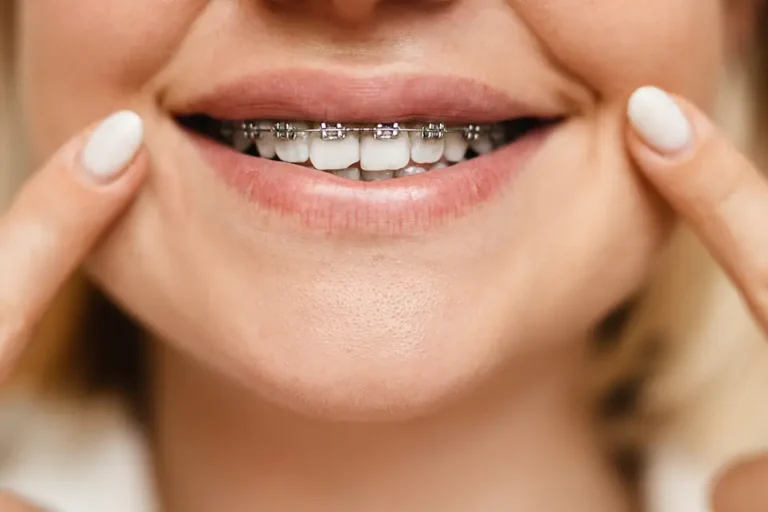
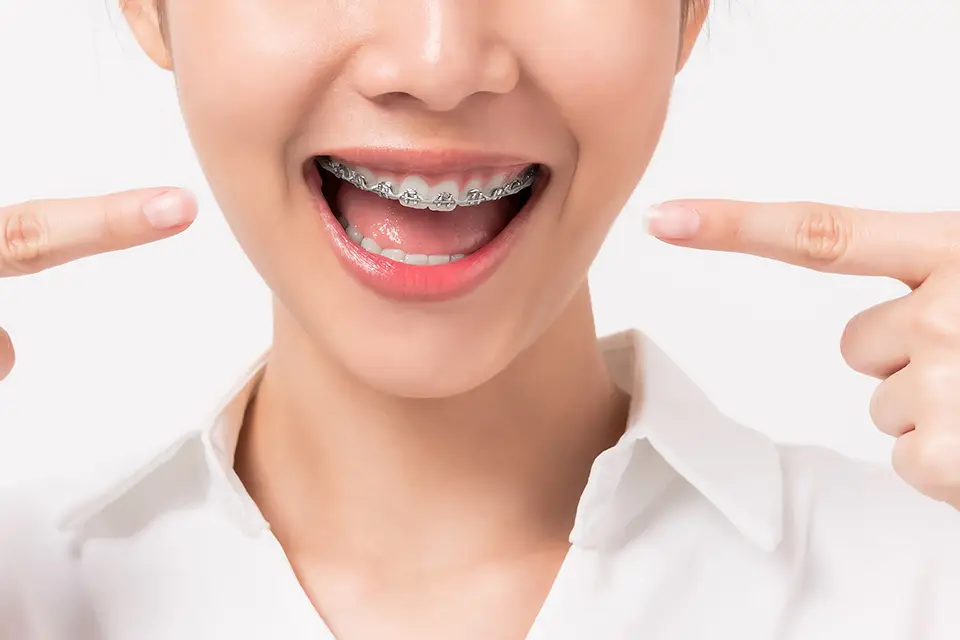
Traditional metal braces
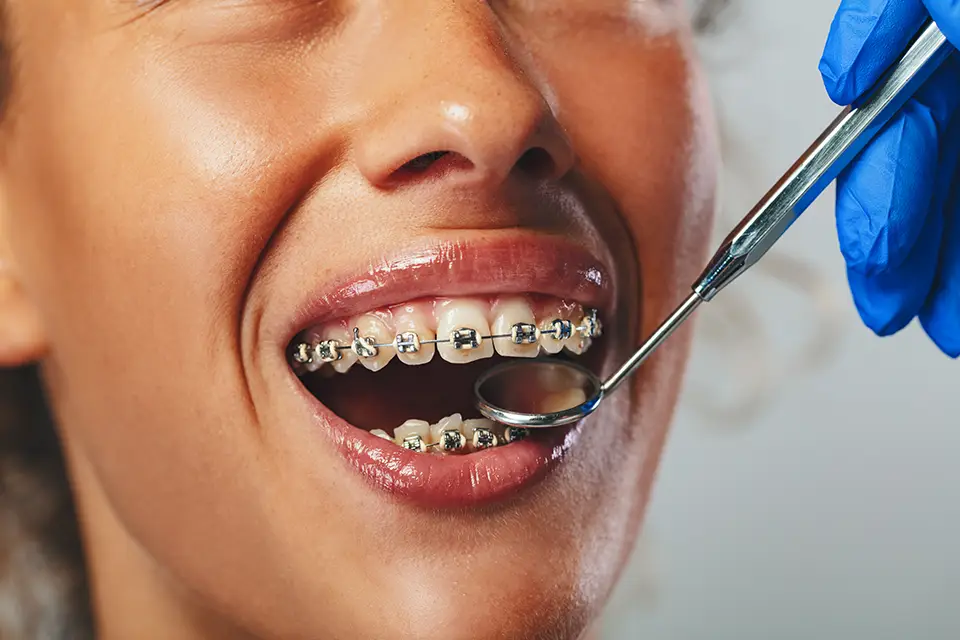
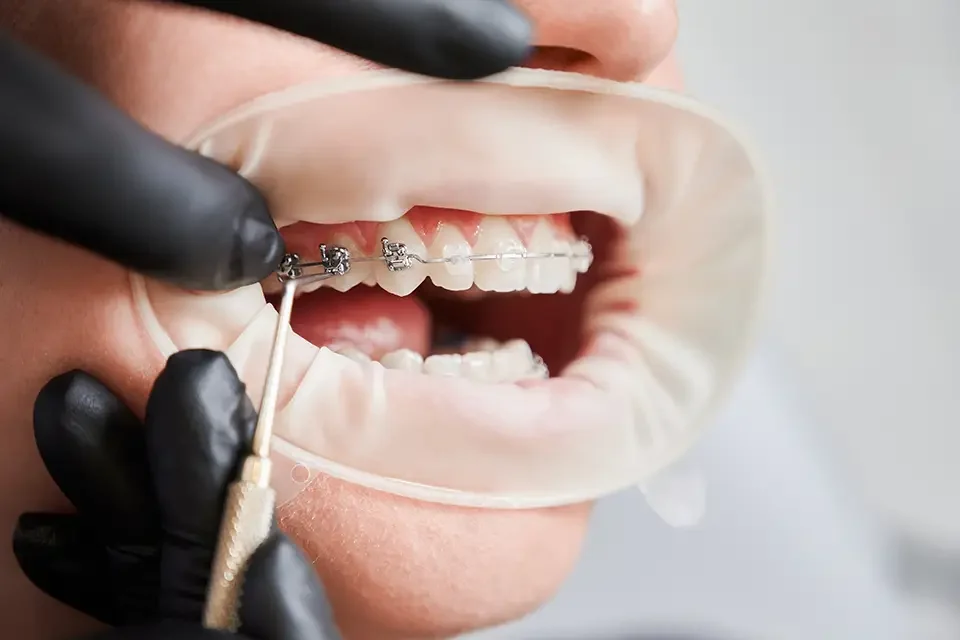
Small stainless-steel brackets bonded to your teeth connect with archwires that your clinician adjusts to guide movement. Among all types of braces, metal systems offer the broadest control for rotations, root torque, and complex bite changes. They’re reliable for kids, teens, and adults who value speed and predictability more than appearance during treatment.
Ceramic (tooth-colored) braces
These use translucent or tooth-shaded brackets that blend with enamel. You keep the precision of fixed braces with a softer look. Cleaning needs are slightly higher to prevent tie staining, but for many professionals and students, this is the sweet spot between efficiency and discretion.
Lingual braces
Brackets and wires are placed on the tongue side (inside) of the teeth, making them essentially invisible from the front. Lingual systems can handle complex movement while staying hidden. Expect a brief adaptation period for speech and tongue comfort; after that, they feel routine.
Self-ligating braces (metal or ceramic)
Instead of elastic ties, these brackets use built-in clips to secure the archwire. That design can reduce friction on the wire and simplify some visits. They’re still fixed braces—just with a different mechanism, some patients find them easier to keep clean.
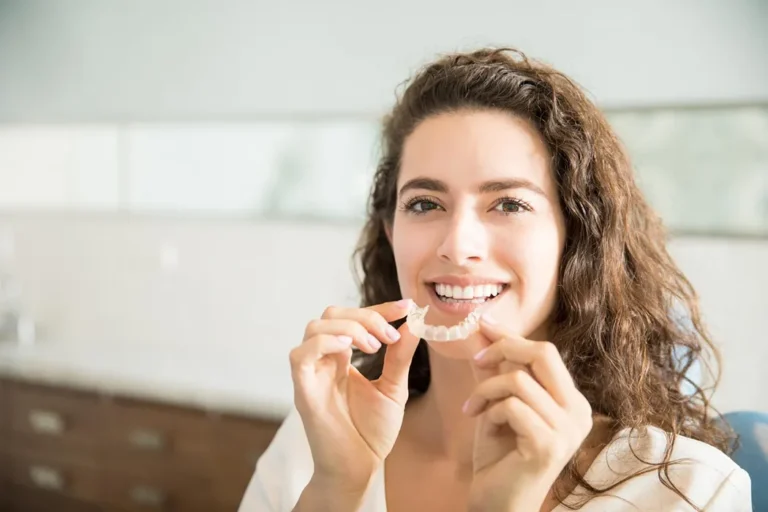
Clear aligners (e.g., Invisalign)
Removable trays that move teeth in small steps. You’ll wear them 20–22 hours per day and switch to the next set on schedule. Aligners suit mild to moderate crowding/spacing and can be paired with attachments for tougher moves.
Types of Braces Pros & Cons
Every option in the types of braces family brings trade-offs. Here’s a balanced view—including where Invisalign in Houston tends to fit—so you can weigh what matters most: appearance, comfort, cleaning, effectiveness, and pace.
Traditional metal braces
- Pros: Broadest control for complex bites; typically the most budget-friendly fixed option; frequent, predictable progress.
- Cons: Most visible; food can collect around brackets; demands steady brushing, flossing, and occasional interdental cleaning.
Ceramic braces
- Pros: Tooth-colored look; keeps the precision of fixed systems; camera-friendly for public-facing roles.
- Cons: Brackets can feel a touch bulkier; clear ties may stain between visits; cleaning needs to be meticulous.
Lingual braces
- Pros: Hidden from the front; fixed-appliance power for complex movement; ideal if you want comprehensive correction without visible hardware.
- Cons: Short learning curve for speech/tongue comfort; cleaning is technique-sensitive; some visits may run longer.
Self-ligating braces
- Pros: Built-in clips can make wire changes faster; fewer plaque-prone elastic ties; available in metal or ceramic.
- Cons: Still visible (unless ceramic); hygiene expectations similar to traditional systems; not inherently “faster” for every case.
Clear aligners (e.g., Invisalign)
- Pros: Nearly invisible; removable for meals and photos; brushing/flossing is simple; smooth edges for comfort.
- Cons: Results depend on 20–22 hours/day wear; complex bites may require attachments or refinements; trays can be misplaced if removed often.
For many adults deciding between fixed braces and Invisalign, two questions clarify the path: How complex is my bite? How consistent can I be with wear time? Honest answers point you to the right lane within today’s types of braces.
Types of Braces Cost
Pricing is best discussed as an estimate, because real totals vary by factors: case complexity, expected duration, appliance choice, visit cadence, and whether refinements or additional retainers are needed. At Zara Dental in Houston, we provide itemized, written plans after records so you can compare types of braces fairly. Typical estimates we see:
- Metal braces: approximately $3,000–$5,000
- Ceramic braces: approximately $4,000–$6,000
- Self-ligating braces (metal/ceramic): approximately $4,000–$6,500
- Lingual braces: approximately $6,500–$9,500
- Clear aligners (e.g., Invisalign): approximately $3,500–$6,500
Why the range across types of braces?
- Complexity & time: Mild crowding may finish in months; full bite correction takes longer.
- Appliance specifics: Lingual systems involve custom lab work; ceramic hardware and certain self-ligating designs can increase material costs.
- Refinements & visits: Aligners may include planned refinements; fixed systems may need additional detailing visits.
- Retention plan: Removable or fixed retainers are usually included but tailored to your case.
- Insurance & financing: Orthodontic benefits and monthly payment plans can significantly change out-of-pocket costs.
We also discuss “total value,” not just sticker price: the types of braces path that reach a stable finish with the fewest detours is usually the most affordable in real life.
All Types of Braces in Houston
If you want to compare everything side by side—from aligners to lingual braces—Zara Dental offers the full spectrum of types of braces and builds the plan around your goals, not a single preferred system. What that looks like in practice:
- Records & bite analysis: Photos, digital scan, and X-rays to map tooth position and jaw relationships.
- Side-by-side options: Two or three credible routes among the types of braces, each with timelines, visit cadence, lifestyle notes, and what daily cleaning involves.
- Transparent costs: Itemized estimates for each plan, with insurance benefits applied and financing options if helpful.
- Milestone check-ins: Progress is reviewed at set points; if refinements help you finish stronger (common with aligners), we plan them—no guessing.
- Retention that lasts: Removable or fixed retainers designed to keep your result stable long-term.
Because we carry all major types of braces, you won’t be steered by inventory—you’ll be guided by fit: clinical need, lifestyle, and budget.
Conclusion
Choosing among today’s types of braces is simpler when you balance four things: visibility, control, comfort, and cost. Metal (and self-ligating) systems lead for comprehensive control, ceramic softens the look without losing precision, lingual braces hide everything while delivering fixed-appliance power, and clear aligners keep life flexible if you’re consistent with wear. Prices are estimates that vary by factors—complexity, duration, appliance, refinements, retention, and insurance—so a records-based plan always beats a generic price list.
If you’re ready to see your options mapped clearly, Zara Dental in Houston, Texas, can help. We’ll compare the types of braces that fit your bite, show timelines you can trust, and outline costs transparently—so you can choose the path you’ll finish and the result you’ll love.