

















If your child’s upper jaw is a bit narrow, you may notice bite changes such as a crossbite, early crowding, or teeth that simply do not “meet” evenly. In many growing kids, palatal expanders can guide the upper jaw to widen gradually, creating the space needed for healthier alignment and a more stable bite. Parents often ask whether expansion is really necessary, and the answer depends on jaw growth, tooth eruption patterns, and how the bite is developing right now.
At the dental clinic in Houston, the goal is to give you a clear, case-specific plan, not a generic recommendation. Your child’s exam looks at jaw growth timing, airway and bite function, and whether palatal expanders could lower the risk of more complicated orthodontic treatment later. You will also get practical guidance on what activation feels like, how long treatment usually takes, and how to keep the appliance clean and comfortable.
What Are Palatal Expanders and How Do They Work?
Palatal expanders are custom-made appliances that fit against the upper teeth and slowly widen a narrow upper jaw while a child is still growing. Most expanders include a small screw in the center, and you activate it only as instructed, so the change happens in tiny, predictable steps. The practical goal is more space for adult teeth and a more balanced bite, especially when a crossbite or early crowding is already showing up.
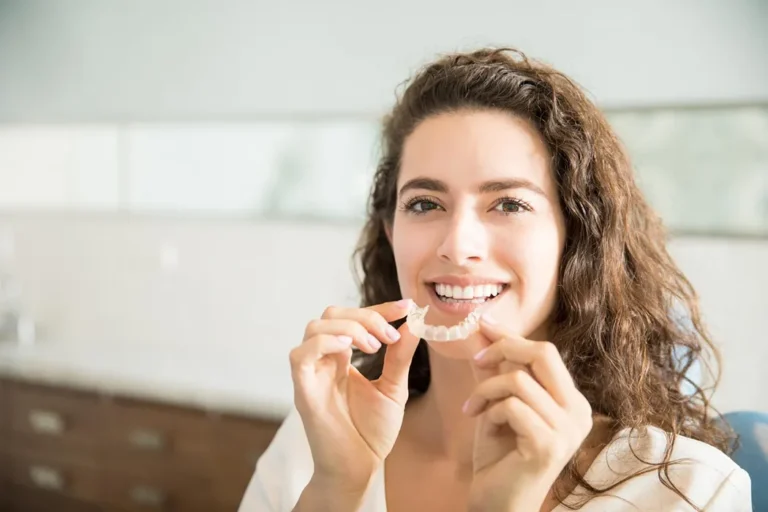
During the expansion phase, some kids develop a small gap between the front teeth, which is often expected and usually closes later as the bite settles. After widening is complete, the expander typically stays in place for a period of stabilization, and checkups confirm the jaw is holding its new shape. If aligners are part of the next step, Invisalign in Houston may be considered once expansion is finished.
Palatal Expanders for Kids: Crossbite, Crowding, and Narrow Upper Jaw
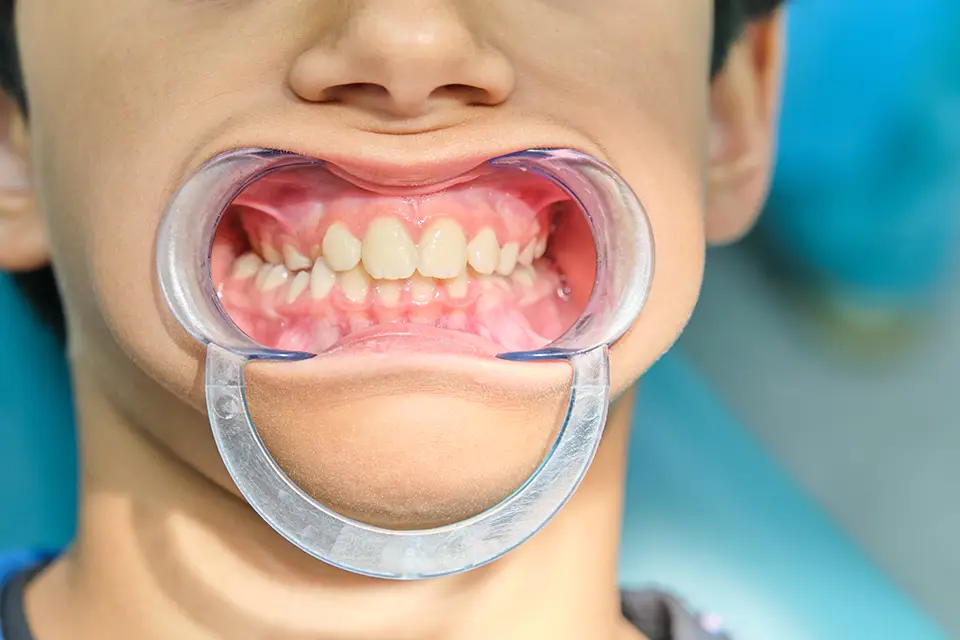
In real life, kids rarely come in saying, “My jaw is narrow.” Parents usually notice a crossbite that makes the bite look uneven, or they hear their child complain that chewing feels awkward. When the upper back teeth sit inside the lower teeth, that posterior crossbite can encourage the jaw to shift as your child closes, which is exactly the kind of pattern orthodontists like to address early. In those cases, palatal expanders can widen the upper jaw gradually so the bite can line up in a healthier way.
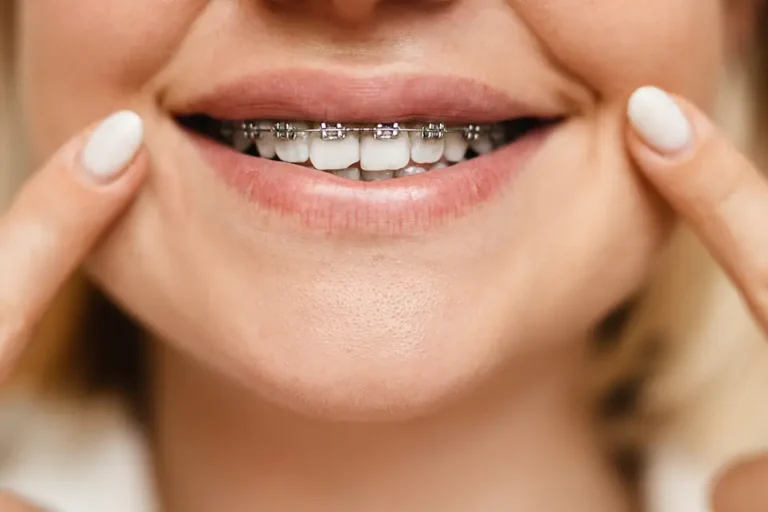
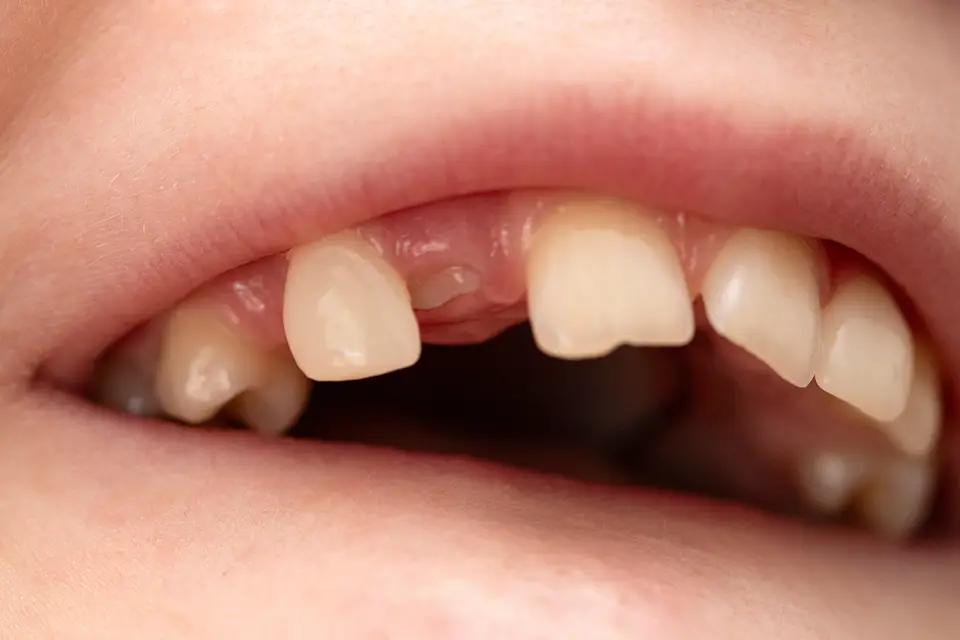
Expanders are also useful when crowding is already obvious, and adult teeth are trying to erupt into a tight space. Some children develop frequent cheek biting or uneven wear because the bite is not meeting evenly. By creating room during growth, palatal expanders often make the next phase, whether observation or kids braces in Houston, simpler and more predictable.
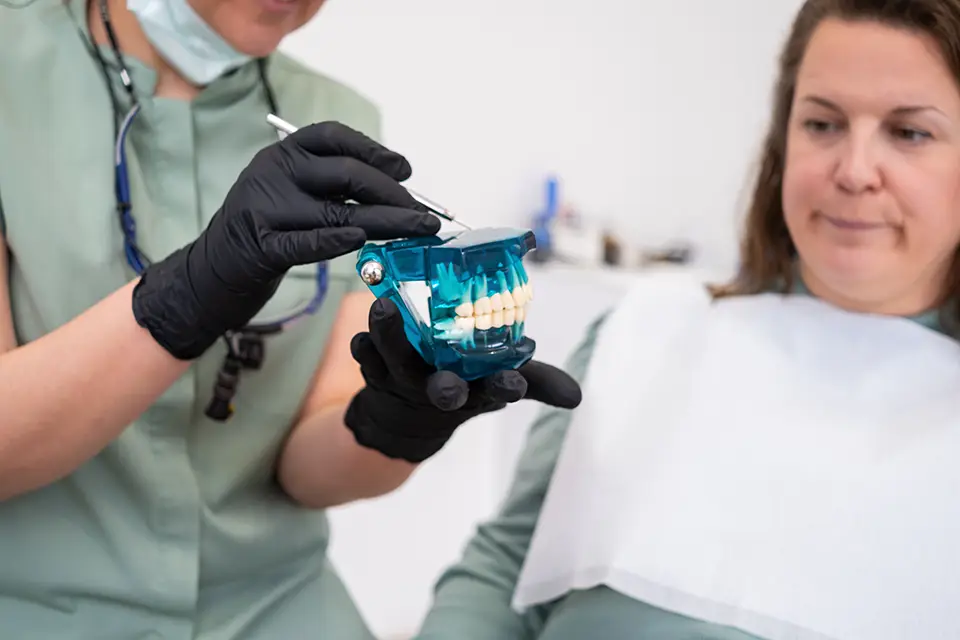
Is a Palate Expander Painful for Kids?
Most children do not describe a palate expander as painful, but they often notice brief pressure right after an activation. That tight feeling usually lasts minutes, not hours, and it tends to fade as your child gets used to the appliance. In the first week, mild soreness, extra saliva, or a temporary lisp can happen, which is why soft foods and careful chewing help.
Call your provider if discomfort is sharp, persistent, or paired with sores, a loose band, or trouble swallowing. With proper fit and follow-up visits, palatal expanders are typically well tolerated and easy to manage at home.
Best Age for a Palate Expander (and Why Timing Matters)
Most kids do best with a palate expander when their jaw is still growing, which is often between the ages of 6 and 12. In that stage, the upper jaw can respond to gentle expansion more predictably, so you can correct a narrow palate before crowding and bite problems become harder to manage. The payoff is usually better bite timing and more room for adult teeth as they erupt.
Still, age alone is not the deciding factor. A dentist or orthodontic exam checks jaw maturity and eruption patterns, then confirms whether a palate expander is the right step now or if monitoring is smarter.
What to Expect Week to Week
Palatal expanders feel much less stressful when you know what the next few weeks will look like. Your provider sets the activation pace, checks the fit, and makes sure the upper jaw is widening in a controlled way. Here is a realistic week-to-week view, with simple routines and clear checkpoints.
- Activation: You turn the key only on the schedule you were given, and your child may notice a short burst of pressure.
- Week 1: Speech and chewing can feel odd at first, but most kids adjust quickly with soft foods and slow bites.
- Ongoing weeks: A small gap between the front teeth may show up, which is often expected progress and temporary.
- Checkups: Visits confirm the bite is improving and the appliance is stable, then the expander stays in place for retention so results can set securely and stay stable.
Eating and Cleaning with a Palatal Expander (Practical Tips for Parents)
A palate expander is great at doing its job, but it is also great at catching food. If you build a routine early, palatal expanders stay cleaner, irritation stays low, and your child is less likely to dread meals. The key is smart food choices and steady cleaning, especially after school and before bed.
- Start softer, then level up: yogurt, eggs, pasta, and smoothies are easy at first, then normal foods are fine as comfort improves.
- Skip the troublemakers: gum, caramel, sticky candy, ice, and very hard chips can bend or loosen parts of palatal expanders.
- Rinse first, brush second: a quick water rinse clears debris, then brush around the bands and the roof of the mouth.
- Use small tools: an interdental brush or water flosser helps protect gum comfort and tooth surfaces when food gets trapped.
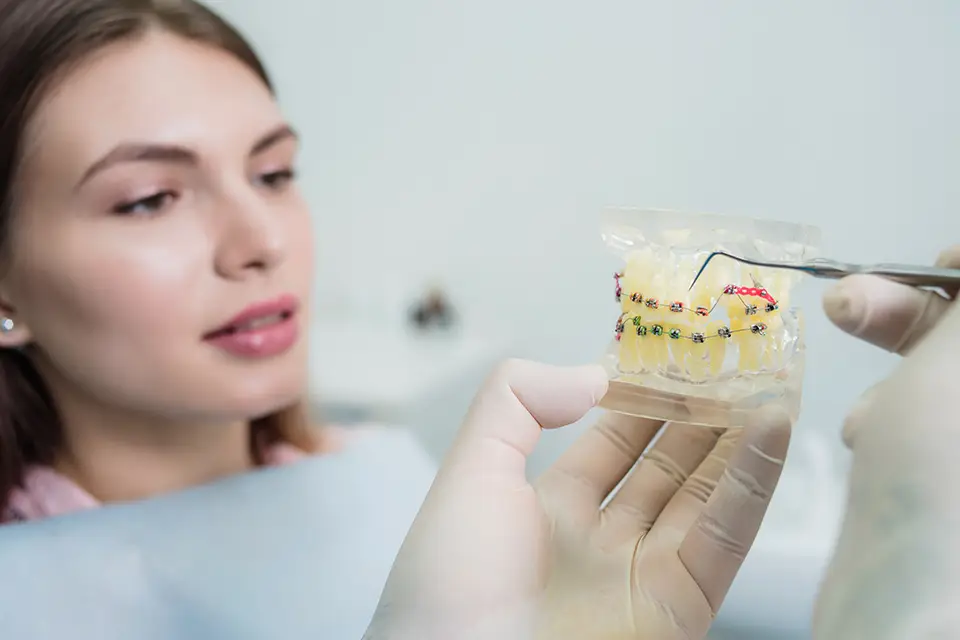
Conclusion: Are Palatal Expanders Worth It for Your Child?
For many families, palatal expanders are worth it because they solve a growth problem before it turns into a bigger orthodontic project. If your child has a narrow upper jaw, widening it early can improve how the teeth meet and create usable space for adult teeth that are on the way in. That can mean a smoother next phase, whether it is monitoring or braces, rather than forcing crowded teeth to fit later.
The decision should be based on jaw growth stage and bite mechanics, not guesswork. For a case-specific recommendation, book a child orthodontic evaluation at Zara Dental in Houston, 6295 Bissonnet St, Houston, TX 77081.
FAQs
Can palatal expanders affect breathing or sleep?
In some children, widening a narrow upper jaw may support nasal airflow and oral posture, but results vary, and an expander is not a stand-alone airway treatment. If snoring or chronic mouth breathing is present, ask about a coordinated evaluation.
What if my child misses an activation or turns the key wrong?
Do not “double turn” to catch up. Protect treatment accuracy and appliance stability by calling your provider for exact instructions.
How do you know palatal expanders are working?
Signs include improving bite fit, expected spacing changes, and better chewing comfort, confirmed by clinical checkups and bite measurements.